
Tarixdə ilk dəfə iki qadın kosmonavt açıq fəzaya çıxıb [AZ]

Tarixdə ilk dəfə iki qadın – ABŞ kosmonavtları Kristina Kuk və Cessika Meir cümə günü Beynəlxalq Kosmik Stansiyadan (BKS) açıq fəzaya çıxıb.
Xəbər verilir ki, bu barədə NASA-nın yaydığı məlumatda bildirilib.
Qadın kosmonavtlar stansiyanın istismarını başa vurmuş detallarını – günəş batareyalarını dəyişəcəklər. Əməliyyatın ən azı 6 saat yarım davam edəcəyi gözlənilir.
Qeyd edək ki, sözügedən batareyaların istismar müddəti 10 ildir.
Xatırladaq ki, kosmosda yerləşdirilmiş BKS-da NASA-nın müxtəlif millətlərdən olan kosmonavtları növbəli şəkildə tədqiqatlar aparır.
Mənbə: interfax & Global News
Saytın məlumatlarından istifadə edərkən link ilə istinad mütləq vacibdir
- Published in weUniverse
İnsanların Marsa uçuşu təxirə salındı [AZ]
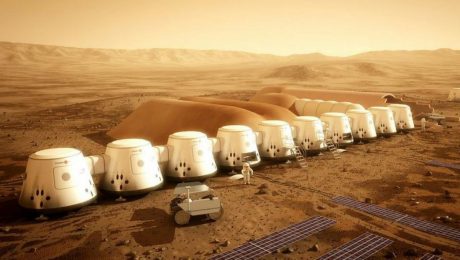
Marsda daimi koloniyanın yaradılmasını nəzərdə tutan “Mars One” layihəsinin “Mars One Ventures” kommersiya bölməsi iflas etdiyini elan edib.
Bu barədə “Engadget” nəşrində məlumat yayılıb.
İsveçrənin Bazel şəhərinin mülki məhkəməsinin çıxardığı qərara əsasən, adıçəkilən şirkət 15 yanvar 2019-cu ildə müflis olub.
Layihənin rəhbərlərindən olan Bas Lansdorp fəaliyyətlərini davam etdirmələrinə rəğmən, investisiyaların kəsilməsinin qarşıya qoyulan məqsədlərin icrasını mümkünsüz etdiyini dilə gətirib. Lansdorp “Engadget”ə verdiyi açıqlamada təfərrüata varmasa da, problemin həllini tapması üçün hazırda əlindən gəldiyini etdiyini vurğulayıb.
“Mars One” iki bölmədən ibarətdir: İsveçrədə qərarlaşan və teleyayım hüquqlarına malik olan “Mars One Ventures” kommersiya bölməsi və Niderlandda qərarlaşan və bütün layihələri idarə edən “Mars One Foundation” qeyri-kommersiya bölməsi.
Bundan əvvəl layihənin “Marsdakı” koloniyaçıların həyatı haqqında realiti-şounun reklam gəlirləri hesabına maliyyələşdiriləcəyi bildirilirdi. Layihə çərçivəsində dünyanın dörd bucağından yüz minlərlə könüllü arasında seçimlər həyata keçirilmiş və onun əsasında sənədli film lentə alınmışdı.
Qeyd edək ki, “Mars One” layihəsinin ən tükürpədici məqamlarından biri, koloniyaçıların bir daha Yer planetinə geri dönə bilməyəcəkləri idi.
Plana görə, layihə çərçivəsində Marsda “yaşama haqqı qazanmış” könüllülər 2027-ci ildə “Qırmızı planetə” eniş etməli idi.
Mənbə: Oxu Az
Saytın məlumatlarından istifadə edərkən link ilə istinad mütləq vacibdir!
- Published in weNews, weScience, weUniverse
Is Saturn going to lose its rings?

Saturn put a ring on it, but will it last? A recent study co-authored by NASA Goddard space physicist James O’Donoghue suggests the answer is no!
Thanks to a process called “ring rain,” water is being pulled out of the 100-million-year-old rings of Saturn and onto the planet. Based on observations made from Hawaii, ring rain could be taking as much as 6,000 pounds of Saturn’s rings every second!
Using the estimation of the mass of Saturn’s rings (about 60 quintillion pounds), that means ring rain could cause the ring system of Saturn to be depleted in the next 300 million years. Additional data from the Cassini mission that spent 13 years studying Saturn suggests this process could even happen in just 100 million years.
First observed in 1610 by Galileo, we’ve learned so much about the amazing rings of Saturn. From thinking the rings were two giant moons, to suggesting they were a solid disk around the planet, to sending four spacecraft missions to observe even closer, we know now that the rings are made of millions of small pieces of ice.
Being mostly water-ice in composition, one of the most widely accepted ideas for how the rings formed is that they used to be moons whose outer icy layers were pulled apart by Saturn’s gravity, while the cores of the moons fell into Saturn in its earlier years. The icy moon layers then flattened out into a bright, wide set of icy rings.
A few things to keep in mind:
- There is a large range of how much water the ring rain actually grabs at different times (it may be as little as 900 pounds a second), so the estimation is just that: an estimation.
- 300 million years seems like a long time, but it is relatively short when we consider the age of the universe.
- If rings aren’t supposed to be a permanent fixture of planets, maybe the other outer planets (Jupiter, Uranus, and Neptune) used to have wider, brighter rings too!
Interested in learning more about the planets in our solar system? Soar through space when you catch a show in LSC’s Jennifer Chalsty Planetarium, the biggest planetarium in the Western Hemisphere. Click here to get showtimes and see what’s currently playing.
Source: lsc.org
Saturn is officially losing its rings — and they’re disappearing much faster than scientists had anticipated
- Saturn is losing its rings.
- New data from NASA’s former Cassini spacecraft has revealed that the rings will be gone 200 million years sooner than previously estimated.
- We explain what’s going on with Saturn’s rings and why they’re disappearing at a faster rate than previously thought.
If you were to pick Saturn out of a lineup you’d probably recognize it by its iconic rings. They’re the biggest, brightest rings in our solar system. Extending over 280,000 km from the planet; wide enough to fit 6 Earths in a row. But Saturn won’t always look this way. Because its rings are disappearing.
That’s right, Saturn is losing its rings! And fast. Much faster, even, than scientists had first thought. Right now, it’s raining 10,000 kilograms of ring rain on Saturn per second. Fast enough to fill an Olympic-sized pool in half an hour.
This rain is actually the disintegrated remains of Saturn’s rings. Saturn’s rings are mostly made up of chunks of ice and rock. Which are under constant bombardment: Some by UV radiation from the Sun and others by tiny meteoroids.
When these collisions take place, the icy particles vaporize, forming charged water molecules that interact with Saturn’s magnetic field; ultimately, falling toward Saturn, where they burn up in the atmosphere.
Now, we’ve known about ring rain since the 1980s when NASA’s Voyager mission first noticed mysterious, dark bands that turned out to be ring rain caught in Saturn’s magnetic fields. Back then, researchers estimated the rings would totally drain in 300 million years. But observations by NASA’s former Cassini spacecraft give a darker prognosis. Before its death dive into Saturn in 2017, Cassini managed to get a better look at the amount of ring-dust raining on Saturn’s equator.
And discovered that it was raining heavier than previously thought. With these clearer observations, scientists calculated the rings had only 100 million years left to live. Now, it’s tough to imagine a ringless Saturn.
But for much of its existence, the planet was as naked as Earth. While Saturn first formed around 4.5 BILLION years ago, studies suggest the rings are only 100- 200 million years old, tops. That’s younger than some dinosaurs.
So when you think about it, we’re pretty lucky we happened to be around to see those magnificent rings. Really lucky, in fact. Because efforts to study those rings have led us to other discoveries.
For example, as Cassini explored Saturn’s moon Enceladus, it uncovered a trail of ice and gas leading back to Saturn’s E ring. Enceladus is the whitest, most reflective moon in our solar system.
And by studying the ring more closely, scientists now know why. Turns out, the moon is constantly gushing out gas and dust.
Some of it ends up in space and in the E ring while the rest snows back onto the moon’s surface, creating a blinding white frost.
So, who knows what other discoveries might be hiding within the rings? At the very least, it’s clear we’d better keep looking while we still can.
Source: businessinsider.com
For permission content from this site must be hyperlinked when used!
- Published in weNews, weUniverse
Marsa səfər insanları qocaldacaq [AZ]

Marsa uçuş kosmik missiyanın hər bir ekipaj üzvünü radiasiya ilə təmasa görə 2,5 il qocaldacaq.
Oxu.Az xəbər verir ki, bu haqda “RİA Novosti” Mosvkada keçirilən Aviakosmik və Ekoloji Tibb adlı konfransın hesabatına istinadən məlumat yayıb.
“Marsa uzun sürən (üç ilə qədər) uçuş zamanı və uçuşdan sonra maksimum günəş aktivliyi şəraitində müxtəlif qalınlıqlı radiasiyadan qoruyan alüminium “sığınacaqda” olan kosmonavtların üzləşəcəyi ümumi radiasiya riski hesablanıb.
Sadə şar formalı kosmik aparat və onun içində olan insan bədənini imitasiya edən fantom model əsasında aparılan hesablamalara görə, Marsa iki il müddətli uçuş və geri dönüş zamanı hər bir ekspedisiya üzvü üçün radiasiya riski yaşdan asılı olmayaraq 7,5 faiz təşkil edəcək. Bu isə kosmonavtların ömrünün orta hesabla 2,5 il qısalmasına yol açacaq”, – deyə sənəddə bildirilir.
Mənbə: oxu.az
Saytın məlumatlarından istifadə edərkən link ilə istinad mütləq vacibdir!
- Published in weUniverse
Günəş sistemində yeni nəhəng planet aşkarlanıb [AZ]

Beynəlxalq astronom qrupu Günəş sisteminin doqquzuncu planetinin mövcud olmasına dair subutlar əldə edib.
Xəbərə görə, bu, Günəşdən 55 astronomik vahid uzaqlığında yerləşən 2015 BP519 transneptun obyektidir.
1 astronomik vahid məsafəsi, Günəşdən yerə qədər olan məsafə bərabərliyindədir. Bu planet, Çilidə yerləşən, kainat genişşlənməsi və qara enerjinin öyrənilməsi üçün nəzərdə tutulmuş, Viktor Blanko adını daşıyan teleskop vasitəsi ilə aşkar olunub. Xususi hissiyyata malik olan DECam kamerası, qalaktikada görüntüsü zəif olan obyektlərin axtarışında istifadə olunur.
1110 gün çəkən müşahidələr nəticəsidə, obyekt orbitinin xususiyyətlərinin öyrənilməsinə nail olunub.
Mənbə: Deyerler.org
Saytın məlumatlarından istifadə edərkən link ilə istinad mütləq vacibdir!
- Published in weNews, weUniverse
Yanvarin 31-i tam ay tutulması olacaq [AZ]
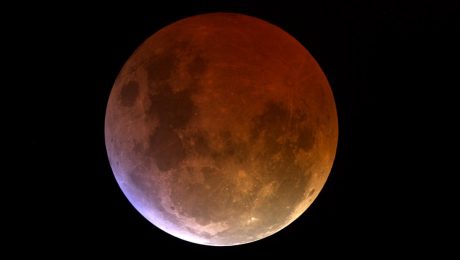
Yanvarın 31-də bu ilin ilk ay tutulması baş verəcək
weNews The Weather Channel-ə istinadən xəbər verir ki, bu ilin ilk tam ay tutulması baş verəcək. Ay tutulması yer kürəsinin kölgəsinə yerli vaxtla 14:51:13 daxil olacaq. Tam tutulma 17:29:51 radələrində gerçəkləşəcək. Ay tutulması tam olaraq 20:08:29 sona çatacaq.
Xəbər verilir ki, bu cür ay tutulması ABŞ tarixində 100 ildən bir baş verir.
Saytın məlumatlarından istifadə edərkən link ilə istinad mütləq vacibdir!
- Published in weNews, weUniverse
13 il sonra kosmosdan müəmmalı siqnal gəldi – Alimlər Şokda [AZ]

NASA 2000-ci ildə kosmosa “İMAGE” adlı peyki göndərib.
“Ölkə.Az” xəbər verir ki, bir sistem səhvinə görə peyk 2005-ci ildən siqnal göndərməmişdi. 13 il sonra birdən-birə aktivləşən peyk siqnal göndərməyə başlayıb.
Peyki axtarma işlərinə rəhbərlik edən astronom Skott Tilli “2000-017A” etiketli peykdən siqnal almağa başlayıb. Siqnalları incələyən alim peykin NASA tərəfindən göndərilən və itən “İMAGE” peyki olduğunu dəqiqləşdirib.
Peykin hələ də siqnal göndərməsi üzərindəki 6 qurğudan bəzilərinin aktiv olduğuna işarə edir.
Mənbə: olke.az
Saytın məlumatlarından istifadə edərkən link ilə istinad mütləq vacibdir!
- Published in weNews, weUniverse
Yer kürəsi böyüklüyündə yeni planet kəşf edildi [AZ]

Günəş sisteminə qismən yaxın məsafədə mülayim iqlimə malik Yer kürəsi böyüklüyündə bir planet aşkarlanıb.
Xəbər verilir ki, Çilidəki La Silla Rəsədxanasında yüksək dəqiqlikli cihazlar vasitəsilə kəşf edilən planetin 11 işıq ili uzaqda olduğu bildirilib. Yer kürəsinə ikinci ən yaxın planet olan yeni kəşfə “Ross 128 b” adı verilib.
Yeni planetin öz ulduzu ətrafında Yer kürəsinin Günəşə qədər olan məsafəsindən 20 dəfə yaxın fırlandığı, balaca ulduzun Günəşdən çox kiçik və daha az parlaq olması səbəbindən “Ross 128 b”nin Yer kürəsinə nisbətən aşağı radiasiyaya məruz qaldığı bildirilib.
Astronomlar “Ross 128 b”nin səthi temperaturunun Yer kürəsininkinə yaxın ola biləcəyini təxmin edirlər.
Mənbə: Deyerler.org
Saytın məlumatlarından istifadə edərkən link ilə istinad mütləq vacibdir!
- Published in weNews, weUniverse
Marsda Morz əlifbası ilə məktub tapılıb [AZ]

NASA-nın mütəxəsisləri Marsın qumları üzərində Morz əlifbası ilə yazılmış bir neçə hərifə rast gəliblər.
Bildirilir ki, bu barədə “HIRISE” saytı məlumat yayıb.
Yazılmış hərifin şifrə edilməsi “Reconnaissance Orbiter” planetlərarası avtomatik stansiyası üçün quraşdırılan kameranın köməyi ilə mümkün olub.
Planetlər üzrə mütəxəsis Veronika Brey yazını şifrə edərək bu cümlələri qurub: “NEE NED ZB 6TNN DEIDEDH SIEFI EBEEE SSIEI ESEE SEEE!!”
Nöqtə və tire, tətbiq olunan Morz əlifbasına Marsın səthində əvvəllər də rast gəlinib, lakin bir qədər cənubda Şimal qütbü üzərində yerləşən qum təpədə bu yazılar daha aydın şəkildə özünü göstərir.
Mənbə: weislam.Az / Maide.Az
Saytın məlumatlarından istifadə edərkən link ilə istinad mütləq vacibdir!
- Published in weNews, weUniverse
Cassini End of Mission [EN]

Cassini program manager at JPL, Earl Maize, left, and spacecraft operations team manager for the Cassini mission at Saturn, Julie Webster embrace after the Cassini spacecraft plunged into Saturn, Friday, Sept. 15, 2017 at NASA’s Jet Propulsion Laboratory in Pasadena, California.
Click on image to see original version

Cassini program manager at JPL, Earl Maize, left, and spacecraft operations team manager for the Cassini mission at Saturn, Julie Webster embrace after the Cassini spacecraft plunged into Saturn, Friday, Sept. 15, 2017 at NASA’s Jet Propulsion Laboratory in Pasadena, California. Since its arrival in 2004, the Cassini-Huygens mission has been a discovery machine, revolutionizing our knowledge of the Saturn system and captivating us with data and images never before obtained with such detail and clarity. On Sept. 15, 2017, operators will deliberately plunge the spacecraft into Saturn, as Cassini gathered science until the end. The “plunge” ensures Saturn’s moons will remain pristine for future exploration. During Cassini’s final days, mission team members from all around the world gathered at NASA’s Jet Propulsion Laboratory, Pasadena, California, to celebrate the achievements of this historic mission. Photo Credit: (NASA/Joel Kowsky)
Source: NASA
For permission content from this site must be hyperlinked when used!
- Published in weScience, weUniverse
- 1
- 2